Materials and advice
Sound Insulation with Polyurethane Foam: Reducing Noise at Home
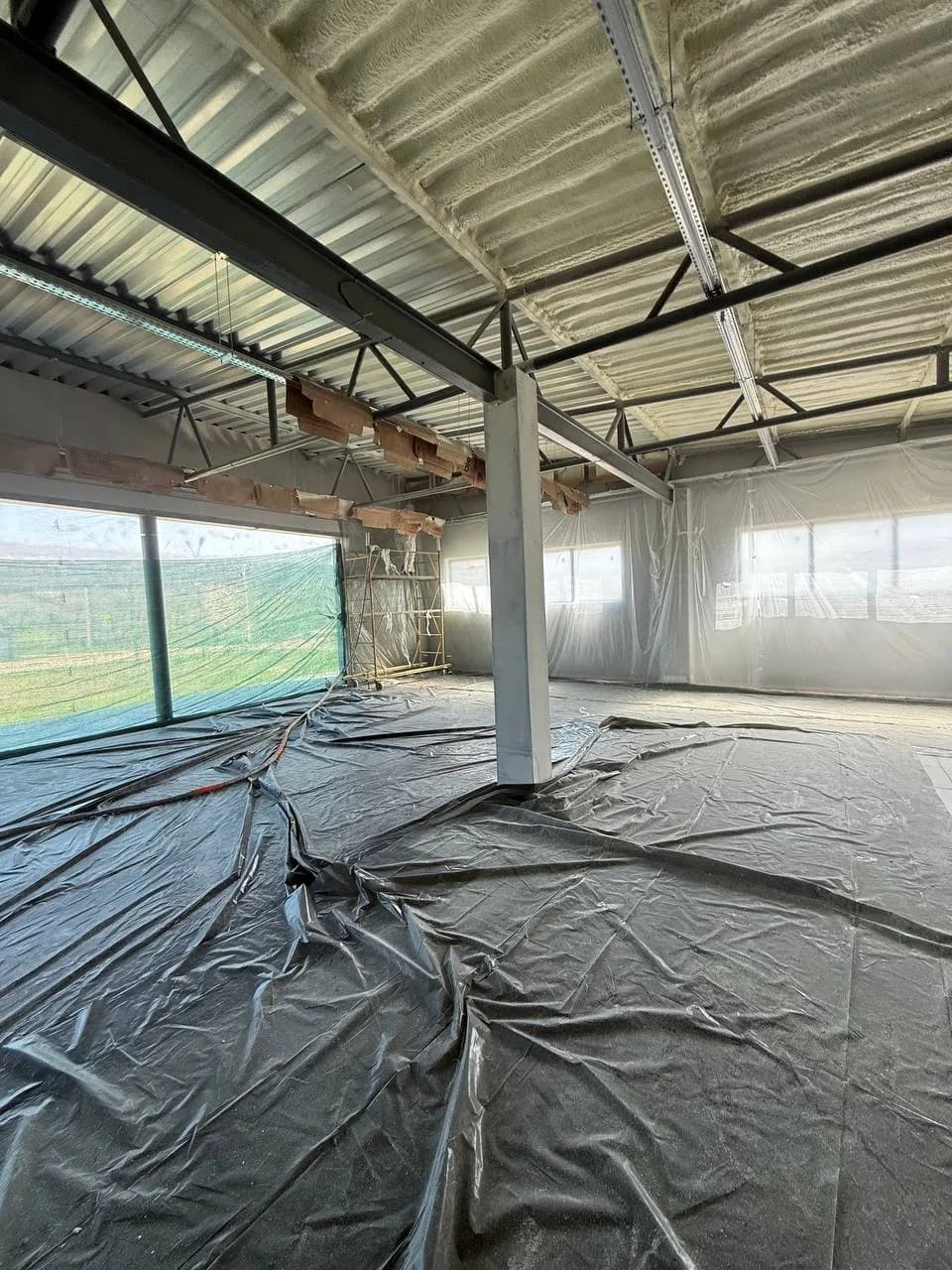
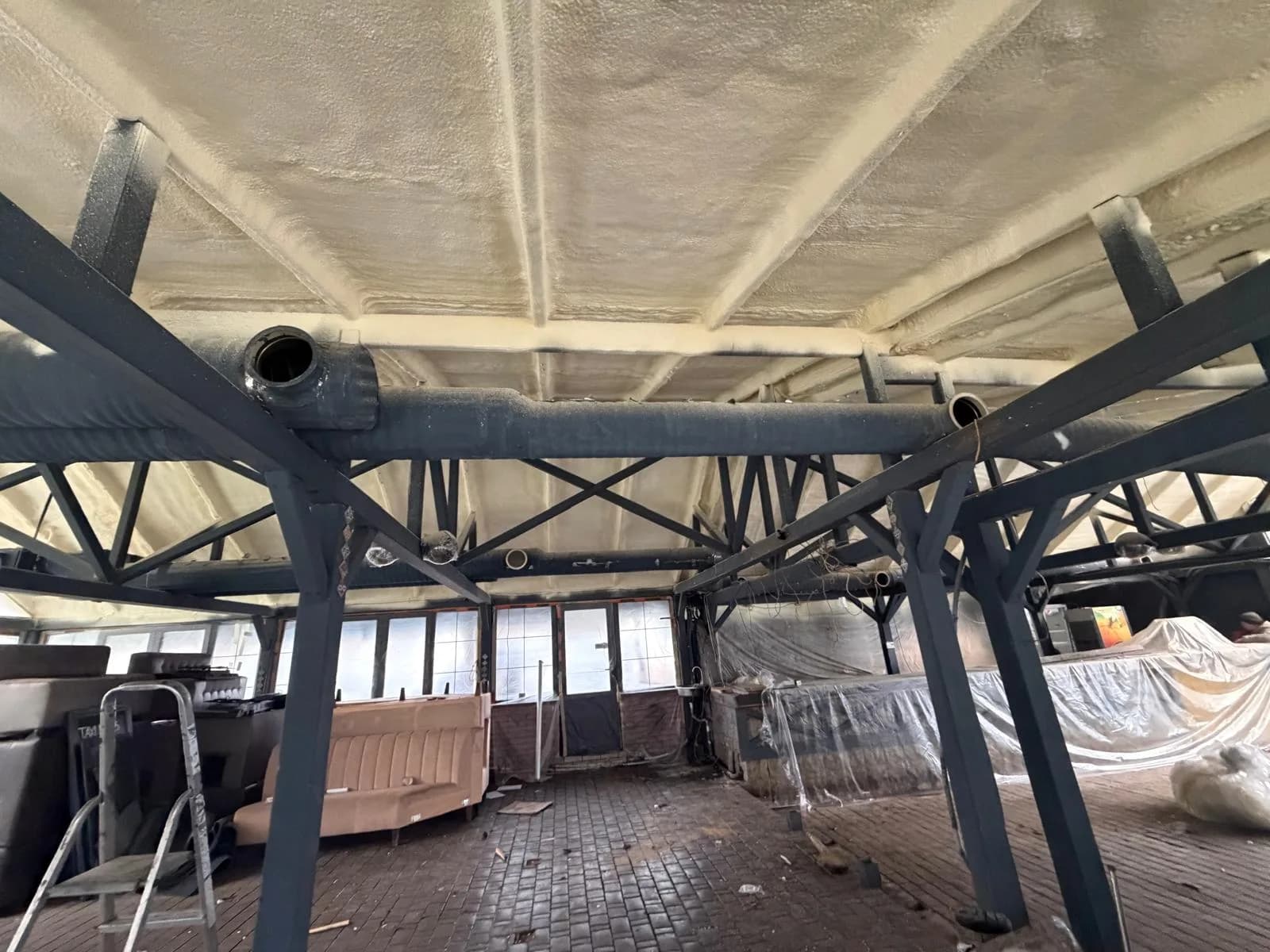
Polyurethane foam is not only thermal — we explain how it also helps to reduce noise from the outside and between floors.
The connection between Thermal insulation and the Fun One
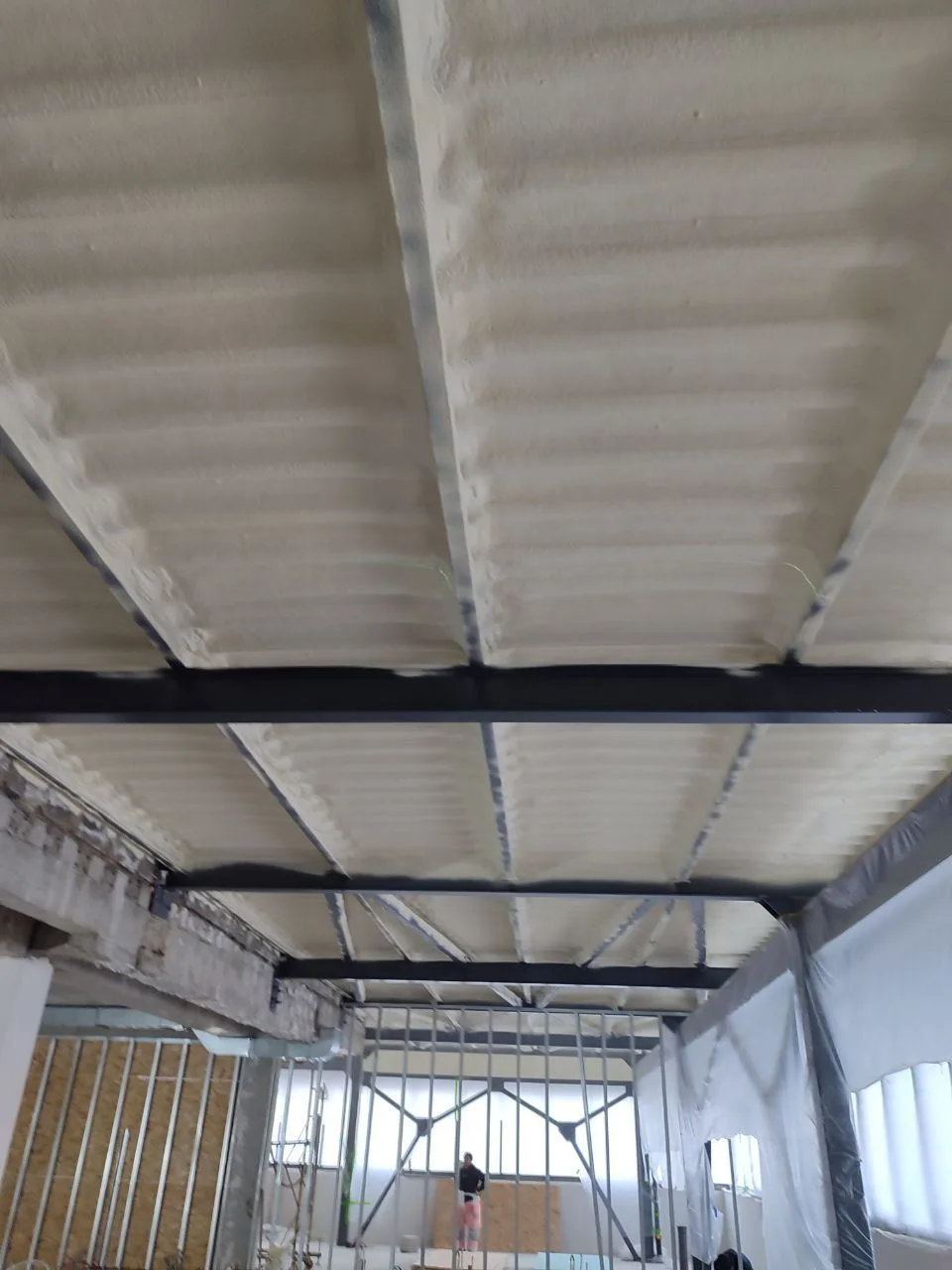
The cellular structure of the polyurethane foam not only blocks heat transfer, but absorbs and attenuates sound vibrations that are transmitted through walls, ceilings and between-story plates.
Where The Most Difference Feels
- Street noise, traffic and neighbors
- Sound between floors (steps, voices)
- Rain or wind noise on the roof
- Vibrations from technical installations (centres, pumps)
Open Cell vs Closed Cell for Sound insulation
The foam with open cell, thanks to the more porous structure, has an easy superior capacity for acoustic absorption, being recommended for interior walls and ceilings between floors.
Optimum combination: Termo + Fono
The main advantage of polyurethane foam is that you obtain thermal and sound insulation simultaneously without the need for separate materials or additional layers.
Recommendation for Aggregated Street Houses
For homes exposed to constant noise, we recommend a free assessment — we will recommend the thickness and the optimal type of foam for real acoustic comfort.
Next step
Let's talk about your building.
An evaluation helps you to choose the material, thickness and work appropriate to your situation.