Materials and advice
Polyurethane Foam vs Mineral Wool: A Complete Comparison
We face the two most popular insulation materials: thermal performance, durability, price and time of application.
Thermal Performance
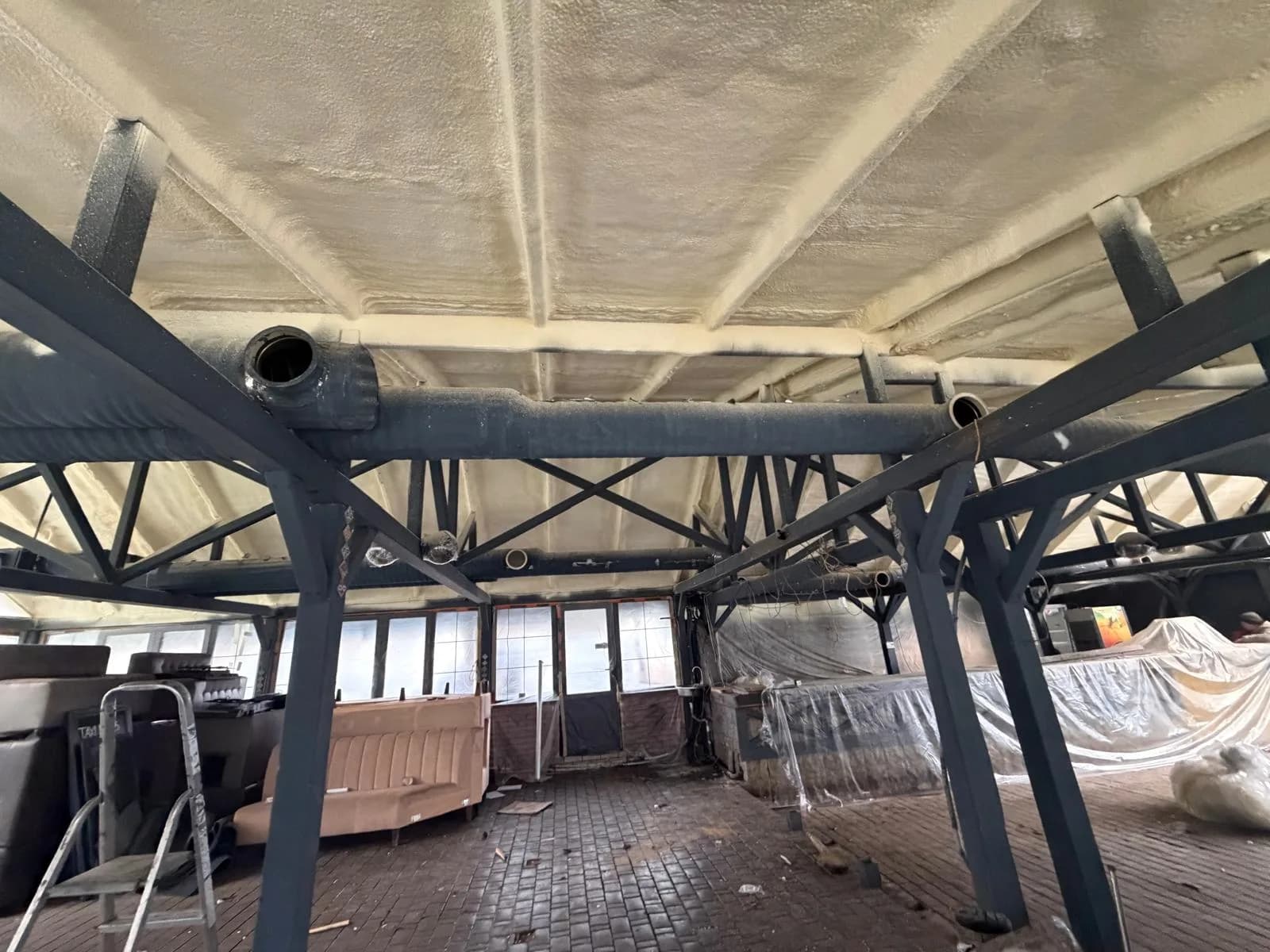
Polyurethane foam has a better thermal conductivity coefficient per centimeter than mineral wool, which means thinner layers for the same level of insulation.
Watertightness and Thermal Points
The foam expands and fills the gaps, eliminating thermal bridges. Mineral wool installed as boards or rolls often leaves gaps at joints.
Resistance to Humidity
The closed-cell foam is completely waterproof, while the mineral wool loses its efficiency if exposed to moisture or condensation.
Application Time
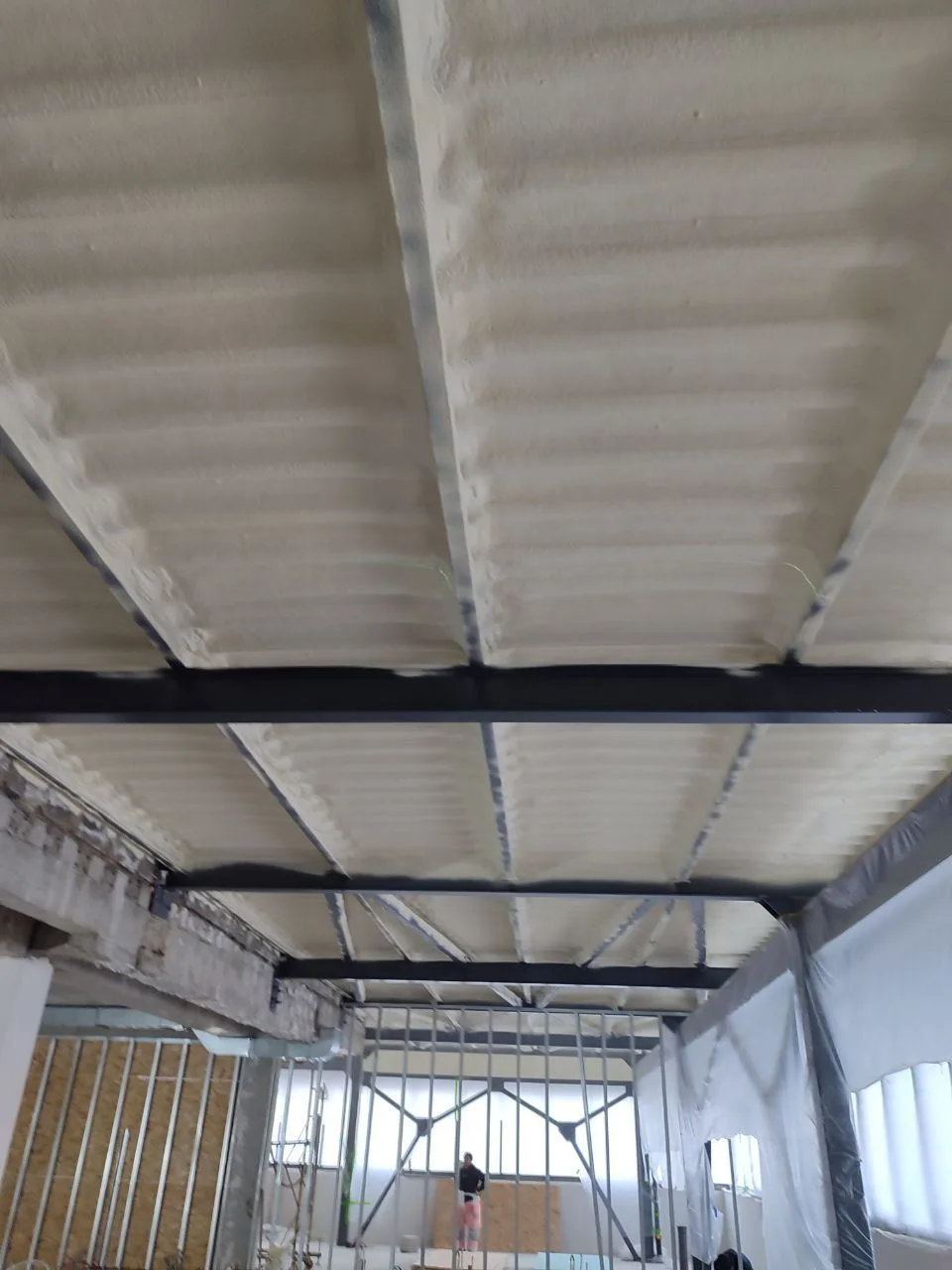
Polyurethane foam is applied by spraying, being much faster on large surfaces, compared to manual mounting of mineral vats.
Initial Cost vs Long Term Cost
The mineral wool has a lower initial cost, but requires additional assembly structures and more frequent replacement. Polyurethane foam, with 25-year warranty, offers a more advantageous total cost in the long term.
What is the Right Solution?
For projects where durability, sealing and execution speed are priority, polyurethane foam is the recommended choice by the IsoThermLux team.
Next step
Let's talk about your building.
An evaluation helps you to choose the material, thickness and work appropriate to your situation.